

 Pumps
PumpsRole of Air Knife Drying Systems in Modern Fruit Processing

Enhancing Commodity Value through High-Efficiency Surface Dehydration
In the highly integrated and standardized landscape of modern fruit processing, post-harvest treatment is the decisive factor in determining commodity value and extending shelf life. Among these processes, removing surface moisture—a seemingly simple task—has a profound impact on fruit quality and economic returns. The Air Knife Drying Machine has emerged as the core equipment for this task, becoming a “standard configuration” on modern sorting and packaging lines due to its high efficiency, gentleness, and environmental friendliness.
I. The Hidden Dangers of Surface Moisture: Why Dehydration is Mandatory
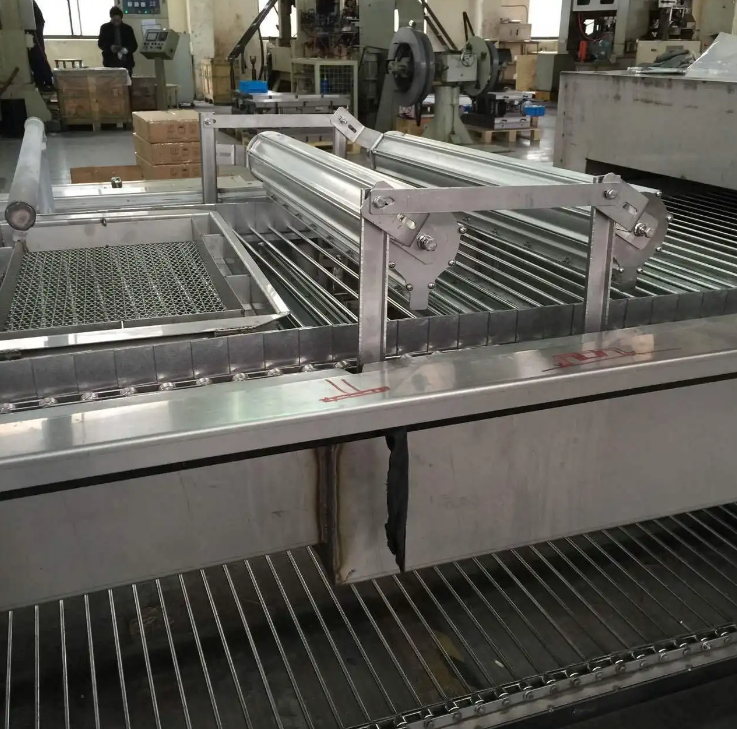
Before understanding the importance of the air knife, we must identify the hazards posed by residual moisture on fruit surfaces:
- A Breeding Ground for Microbes: Moisture is an essential condition for the reproduction of fungi and bacteria (such as Penicillium and Botrytis). Damp fruit is highly susceptible to rot and mold during storage and transport, leading to “cross-infection” that can ruin entire batches.
- Accelerated Quality Deterioration: Residual water accelerates the respiration of the fruit, consuming its nutrients and leading to a decline in taste, flavor, and firmness. It also promotes enzymatic browning, which compromises the fruit’s appearance.
- Impact on Downstream Processing and Packaging:
- Labeling Difficulties: Wet surfaces prevent the adhesion of brand labels, price tags, or traceability QR codes.
- Packaging Damage: Moisture trapped inside boxes creates a high-humidity environment that softens cardboard and encourages mold growth on the interior walls.
- Reduced Market Value: Consumers often perceive fruit with water droplets as “unfresh” or chemically treated, which dampens buying intent.
Traditional air-drying is too slow and space-intensive, while manual wiping is labor-intensive and risks mechanical damage. Neither can meet the demands of large-scale industrial production.
II. Working Principle and Technical Advantages of Air Knife Dryers
Air knife dryers do not rely on heat for evaporation. Instead, they utilize advanced fluid dynamics to peel moisture away using high-speed, uniform “air blades.”
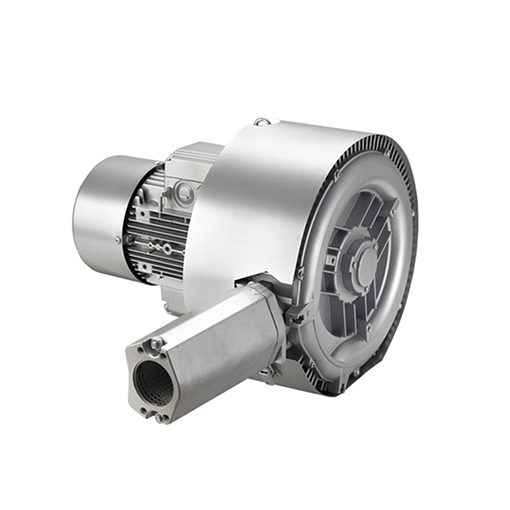
- The Core Mechanism: A high-pressure fan is connected to a long, narrow nozzle (the air knife). As high-pressure air is forced through this narrow slit, the velocity increases dramatically, creating a uniform, high-intensity curtain of air.
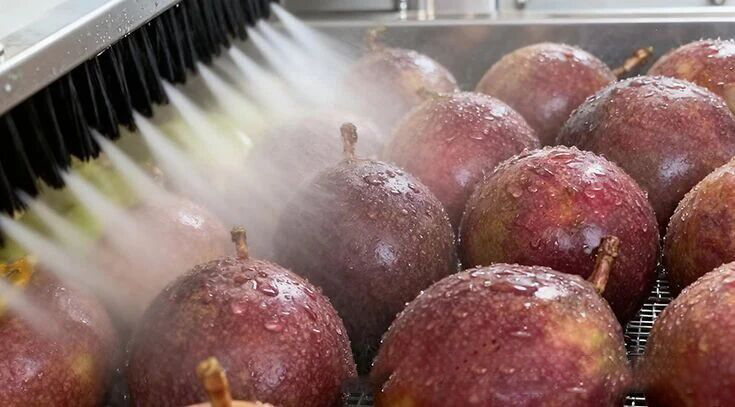
- The Process: After washing or treatment, fruit moves along a conveyor under the air knife. This high-speed airflow acts as an invisible “scraper,” conforming to the fruit’s curves to instantly atomize and strip away water droplets and films.
Key Technical Advantages:
- High-Efficiency Non-Contact Removal: With air speeds reaching 70–120 m/s, dehydration occurs in seconds. Because it is a non-contact physical process, it prevents friction damage, making it ideal for delicate fruits like strawberries, blueberries, and cherries.
- Uniform and Thorough Coverage: Specially designed outlets ensure air reaches even the most recessed areas, such as stems and navels, where water typically accumulates.
- Clean and Eco-Friendly: The process uses only air—no chemical desiccants are required. Compared to thermal drying, it consumes significantly less energy and involves much lower operating costs.
- Optimized Downstream Accuracy: Dry fruit is essential for precision grading and optical sorting. A dry surface ensures that cameras can accurately identify color, size, and blemishes without the interference of light reflections from water.
III. Applications and Economic Value
Air knife drying technology is now widely applied across various fruit categories:
- Berries: Blueberries and raspberries have delicate skins and high value; air knives offer the zero-tolerance mechanical safety they require.
- Stone Fruits and Citrus: Peaches, nectarines, and lemons benefit from rapid drying after anti-fungal treatments to prevent decay.
- Apples and Pears: In premium markets, a dry, lustrous surface is a visual indicator of high quality.
- Tropical Fruits: Mangoes, avocados, and dragon fruits see significantly extended shelf lives when dried properly before packaging.
Direct Economic Benefits:
- Reduced Loss Rates: Post-harvest losses can be reduced by 5%–15%, translating directly into profit.
- Improved Grade and Pricing: Better appearance allows fruit to enter high-end markets at premium prices.
- Automation: As a critical link in the automated line, it reduces labor dependency and increases overall throughput.
Conclusion
The modern air knife dryer is far more than a simple “blower.” It is the result of combining food engineering with post-harvest physiology. By providing an efficient, gentle, and sustainable solution for surface moisture removal, it fundamentally enhances the marketability and safety of fruit. For any modern enterprise looking to build a brand and ensure long-term growth, investing in air knife technology is no longer an option—it is a necessity. It is the “key guardian” ensuring quality from the field to the table.