

 Pumps
PumpsNecessity of Explosion-proof Blowers in PCB Dust Removal

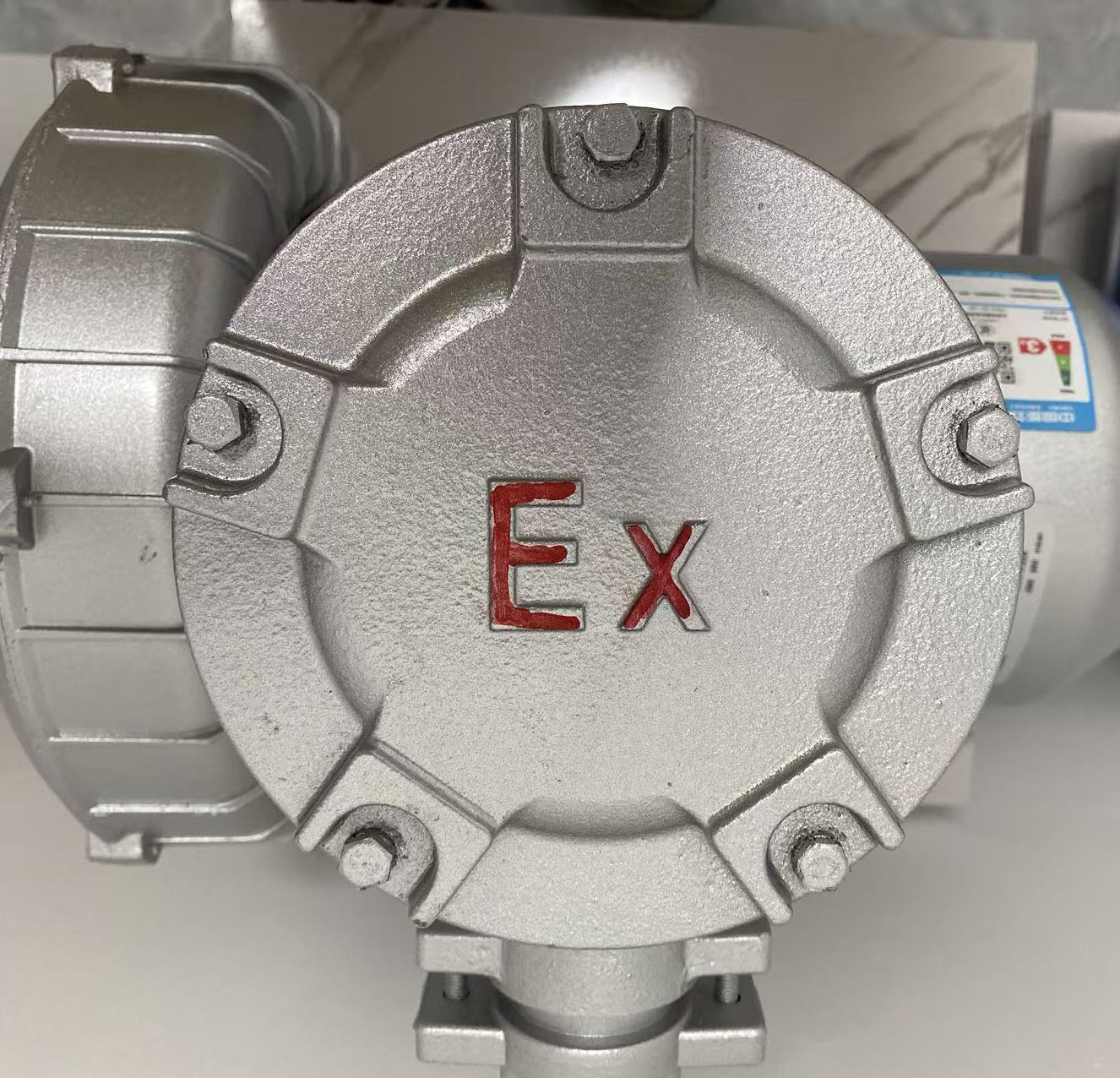
In the high-precision world of Printed Circuit Board (PCB) manufacturing, processes like drilling, routing, and grinding are a sophisticated dance of engineering. Yet, they produce a “silent saboteur”: micron-level dust. These tiny particles do more than just ruin product yields or wear down machinery—他们 pose a lethal risk of dust explosions.
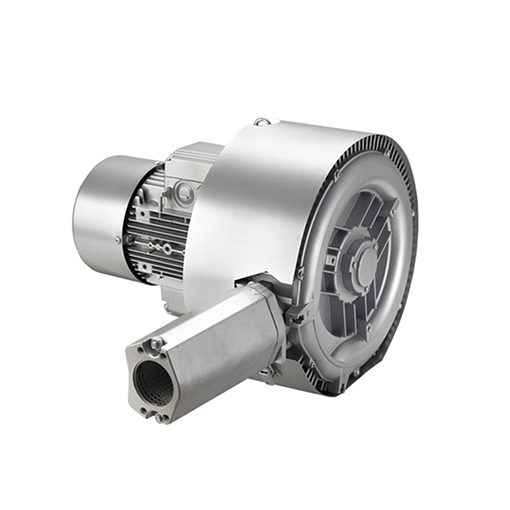
To counter this, Explosion-Proof Negative Pressure Dust Collection Blowers serve as the essential “engine” for safety and cleanliness.
Dust: The Invisible Threat in PCB Facilities

The residue generated during PCB production—specifically mixtures of fiberglass and epoxy resin—presents several critical challenges:
- Microscopic & Airborne: These particles are incredibly light, allowing them to remain suspended and spread across large areas instantly.
- Highly Abrasive: They act like sandpaper on precision components, accelerating equipment wear and driving up maintenance costs.
- Conductive Risks: When dust settles on circuits or sensitive components, it can cause short circuits or signal interference, leading to high scrap rates.
- Explosive Potential: When dust reaches a specific concentration (the Lower Explosive Limit) and meets a spark, static discharge, or a hot surface, the resulting explosion can be catastrophic.
Negative Pressure: The Core Mechanism of Active Capture
Unlike traditional “positive pressure” methods that often blow dust around, negative pressure systems focus on suppression and containment.
1. Suction at the Source
By creating a vacuum (pressure lower than the surrounding atmosphere) inside hoods or enclosures, the blower acts like an invisible hand. It pulls dust directly from the source—such as drill bits or milling cutters—before it has a chance to escape into the shop floor.
2. Contained Transport
Once captured, the dust is moved through a completely sealed ductwork system. This ensures that the hazardous material remains isolated from the factory environment until it reaches the filtration unit (such as a cartridge or bag filter).
Explosion-Proof Engineering: The Safety Lock
In a volatile environment, a standard blower can actually become an ignition source. Specialized explosion-proof blowers use specific engineering to eliminate this risk:
- Flameproof Structures: Electrical components are housed in enclosures designed to contain any internal sparks or arcs, preventing them from igniting the dust-laden air outside.
- Anti-Static Materials: Impellers and casings are treated with conductive coatings and strictly grounded to bleed off static electricity generated by high-speed airflow.
- Non-Sparking Impellers: Using specialized alloys ensures that even if a foreign object strikes the rotating blades, no mechanical sparks are produced.
- Integrated Monitoring: Sensors track temperature and vibration in real-time, automatically shutting down the system if a fault occurs to prevent overheating.
The Strategic Value of Advanced Dust Control
Investing in a high-quality negative pressure system provides more than just compliance; it offers a competitive edge:
| Benefit | Impact on Operations |
| Safety | Keeps dust concentrations well below explosive limits, protecting lives. |
| Quality | Reduces contamination on board surfaces, preventing soldering defects. |
| Asset Protection | Shields expensive CNC and exposure equipment from abrasive damage. |
| Health & Environment | Improves air quality for workers and meets strict environmental regulations. |
| Energy Efficiency | Modern blowers with Variable Frequency Drives (VFD) adjust power based on real-time demand, cutting utility costs. |
Implementation Essentials
To make the most of this technology, manufacturers should focus on:
- Scientific Calculation: Use fluid dynamics to determine the exact Air Volume (CMM) and Pressure (Pa) needed based on duct length and filter resistance.
- Strict Rating Matches: Ensure the blower’s explosion-proof rating matches the specific dust characteristics of the facility.
- Proactive Maintenance: Regularly check duct seals and grounding points to ensure the “safety lock” remains intact.
Conclusion
Dust control is never a minor detail in PCB fabrication. By utilizing active negative pressure and robust explosion-proof designs, these blowers act as the “core engine” of a modern, clean, and safe factory. They are an investment in the long-term stability of the production line and the safety of every person on the floor.