

 Pumps
PumpsWhat’s the Side Channel Blower Inlet Air Temperature?

Introduction
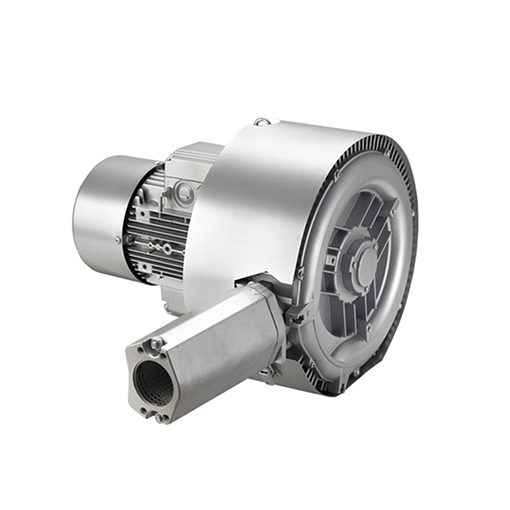
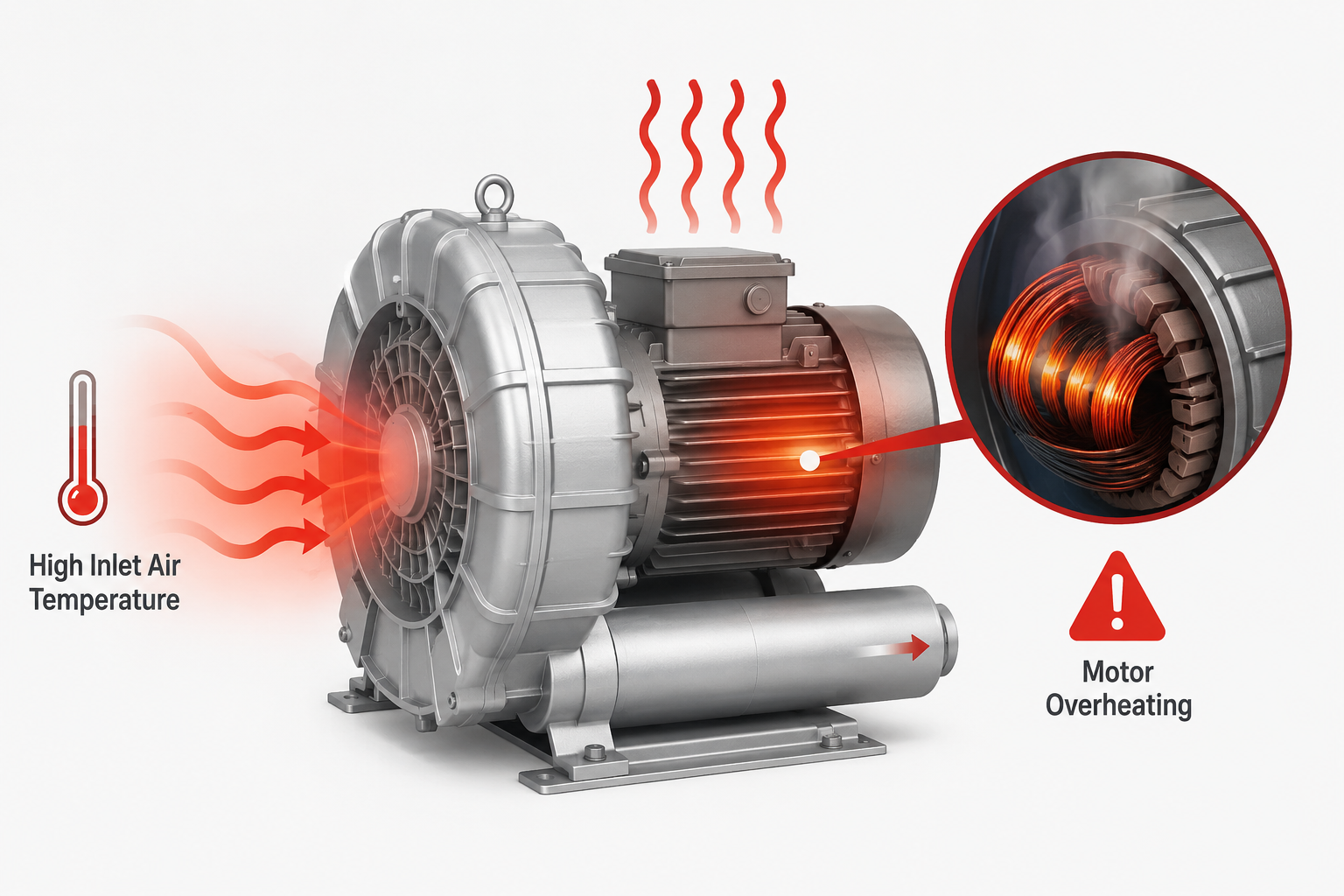
Side channel blowers are widely used in industrial applications that require stable airflow, vacuum generation, and oil-free operation. From wastewater treatment and pneumatic conveying to printing, packaging, and aquaculture systems, these blowers operate continuously under demanding conditions. However, one critical factor that many users overlook is the inlet air temperature.
A common question from customers is: can a side channel blower handle inlet air temperatures up to 200℃?
The direct answer is no. Under normal operating conditions, the inlet air temperature should remain below 50℃. Some specially configured models may tolerate short-term inlet temperatures up to 100℃, but 200℃ inlet air is not allowed for standard side channel blowers. Excessive inlet temperature can quickly cause overheating, damage internal components, reduce efficiency, and eventually lead to blower breakdown.
Understanding the correct operating temperature range is essential for protecting the blower and ensuring long service life.
What Is Inlet Air Temperature in a Side Channel Blower?
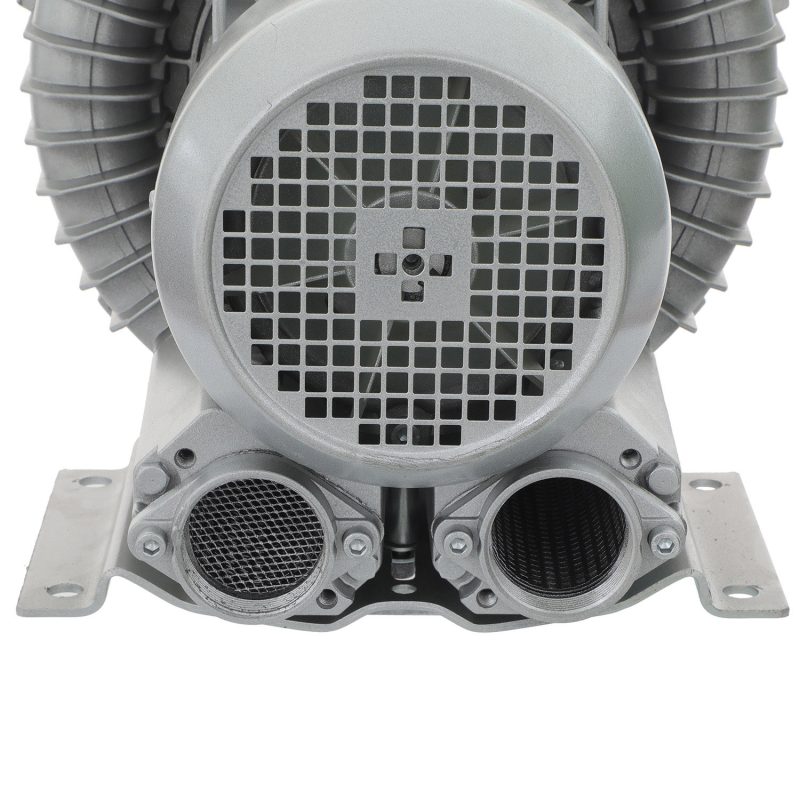
Inlet air temperature refers to the temperature of the gas or air entering the blower through the suction port. This temperature directly affects the internal operating condition of the blower.
Unlike compressors designed for extreme heat applications, standard side channel blowers are mainly intended for handling:
- Ambient air
- Clean dry gas
- Mild temperature airflow
- Non-condensing environments
During operation, the blower itself already generates heat because of air compression and motor rotation. If the incoming air is already too hot, the internal temperature rises rapidly beyond the safe limit.
That is why inlet temperature control is extremely important.
Recommended Inlet Air Temperature Range
Normal Operating Temperature
For most standard side channel blowers:
- Recommended inlet air temperature: below 50℃
- Maximum allowable inlet air temperature: around 100℃
- Dangerous temperature level: above 100℃
- 200℃ inlet air: not permitted
Keeping the inlet air below 50℃ helps maintain:
- Stable airflow
- Lower motor load
- Better bearing lubrication
- Longer service life
- Safer operating conditions
When inlet temperatures exceed the recommended range, internal heat accumulation becomes difficult to control.
Why 200℃ Inlet Air Is Not Allowed
Many users assume that because industrial equipment is made from aluminum alloy or metal, it can automatically withstand extremely high temperatures. In reality, side channel blowers contain several sensitive components that are affected by heat.
Motor Overheating
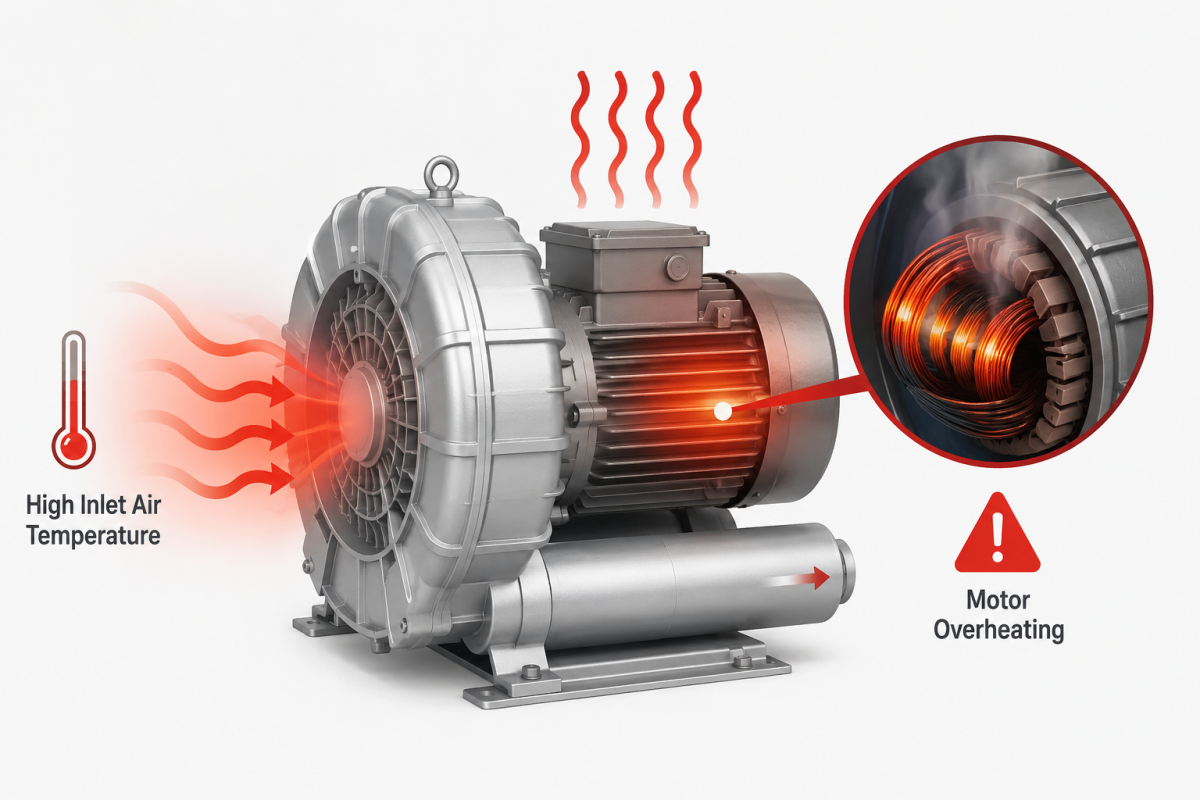
The motor is one of the first parts affected by high inlet temperature.
When 200℃ air enters the blower:
- Motor winding temperature rises sharply
- Insulation materials deteriorate faster
- Current consumption increases
- Thermal protection may trip frequently
- Motor burnout risk becomes very high
Most blower motors are designed for standard industrial environments, not ultra-high-temperature gas transfer.
Bearing Damage
Bearings inside the blower rely on stable operating temperatures and proper lubrication.
Excessive inlet temperature can:
- Break down bearing grease
- Reduce lubrication effectiveness
- Cause bearing expansion
- Increase friction
- Create abnormal noise and vibration
Once bearings fail, the impeller may become unstable and damage the entire blower housing.
Impeller Expansion Problems
Side channel blowers operate with very small internal clearances between the impeller and housing.
At extremely high temperatures:
- Metal components expand
- Internal clearance changes
- Impeller friction may occur
- Efficiency drops significantly
- Mechanical seizure becomes possible
At 200℃, thermal expansion can become severe enough to stop normal operation completely.
Reduced Cooling Efficiency
Most side channel blowers use ambient air cooling.
If the inlet air itself is already extremely hot:
- Cooling fans become less effective
- Heat dissipation decreases
- Internal temperature keeps increasing
- Continuous operation becomes unsafe
The blower may enter a thermal overload condition within a short time.
What Happens If the Blower Runs with 200℃ Air?
Operating a standard side channel blower with 200℃ inlet air can lead to several serious problems.
Common Failure Symptoms
Extremely High Surface Temperature
The blower housing may become dangerously hot to touch.
Frequent Motor Shutdown
Thermal protection devices may repeatedly stop the motor.
Abnormal Noise
Bearings and impeller components may produce scraping or metallic sounds.
Reduced Airflow
High temperature lowers air density and affects blower performance.
Permanent Motor Damage
Continuous exposure to excessive heat can permanently damage winding insulation.
Shortened Lifespan
Even if the blower continues running temporarily, long-term reliability drops dramatically.
Why Side Channel Blowers Generate Additional Heat
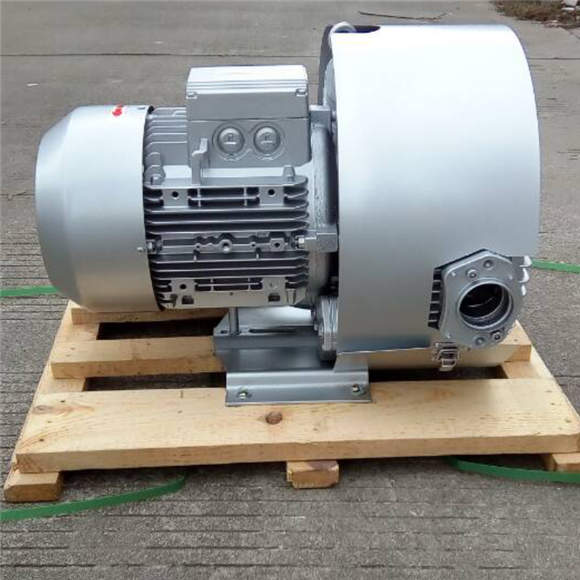
Some users only focus on inlet temperature and forget that the blower itself also creates heat during operation.
Compression Heat
As air moves through the side channel, it is compressed repeatedly. Compression naturally increases temperature.
Mechanical Friction
Rotating components generate frictional heat at high speed.
Motor Heat
Electric motors produce heat continuously during operation.
Because of these combined factors, the discharge temperature is usually much higher than the inlet temperature.
For example:
| Inlet Air Temperature | Possible Discharge Temperature |
|---|---|
| 25℃ | 60–90℃ |
| 50℃ | 90–130℃ |
| 100℃ | Much higher and potentially unsafe |
If the inlet air already reaches 200℃, the discharge temperature may become extremely dangerous.
Can Any Side Channel Blower Handle High Temperature Air?
Special high-temperature configurations do exist, but they are very different from standard models.
Possible High-Temperature Modifications
Some manufacturers may provide:
- External cooling systems
- Special bearing grease
- High-temperature seals
- Improved ventilation
- Heat-resistant materials
- Isolation piping systems
However, even with modifications, 200℃ gas handling is still challenging for side channel blower technology.
For extremely high-temperature gas applications, industries often use:
- Roots blowers
- High-temperature centrifugal blowers
- Industrial exhaust fans
- Specialized gas handling systems
These machines are designed specifically for thermal resistance.
How to Reduce Inlet Air Temperature
If your process involves hot air or heated gas, several solutions can help protect the blower.
Install Cooling Pipelines
Longer metal pipelines can naturally dissipate heat before air enters the blower.
Use a Heat Exchanger
Heat exchangers help reduce gas temperature efficiently in continuous systems.
Add Air Cooling Devices
Cooling fans or external air cooling units can lower inlet temperature.
Separate the Heat Source
Keeping the blower farther from furnaces, ovens, or heating equipment reduces thermal exposure.
Improve Ventilation
Good airflow around the blower helps maintain lower operating temperature.
Signs Your Blower Is Suffering from Excessive Heat
Users should monitor the system regularly for overheating symptoms.
Warning Signs Include
- Hot motor casing
- Burning smell
- Reduced vacuum or pressure
- Frequent overload shutdown
- Increased vibration
- Bearing noise
- Discolored housing surface
- Declining efficiency
Ignoring these symptoms may lead to sudden equipment failure.
Importance of Temperature Monitoring
Temperature monitoring is one of the simplest ways to extend blower lifespan.
Recommended Monitoring Points
- Inlet air temperature
- Outlet air temperature
- Motor surface temperature
- Bearing temperature
- Ambient environment temperature
Installing temperature sensors can help operators detect problems early before major damage occurs.
How High Temperature Affects Blower Lifespan
Excessive heat accelerates wear on nearly every blower component.
Components Most Affected
- Motor insulation
- Bearings
- Seals
- Impeller balance
- Lubricants
- Electrical wiring
Even if immediate failure does not occur, long-term exposure to elevated temperatures significantly reduces equipment life expectancy.
A blower designed to last several years under normal conditions may fail much earlier when exposed to continuous overheating.
Conclusion
The inlet air temperature of a standard side channel blower should normally remain below 50℃. In some cases, specially configured models may tolerate inlet temperatures up to 100℃, but 200℃ inlet air is not allowed.
Excessive inlet temperature can cause:
- Severe motor overheating
- Bearing failure
- Impeller expansion
- Reduced efficiency
- Frequent shutdown
- Permanent equipment damage
Because side channel blowers already generate heat during compression, high inlet temperature creates an even greater thermal burden inside the machine.
If your application involves hot gas or heated airflow, it is important to use cooling methods or select a blower system specifically designed for high-temperature operation. Proper temperature control not only protects the blower but also ensures stable performance, longer service life, and safer industrial operation.