

 Pumps
PumpsRing Blower Vibration Issues: Common Questions, Causes, and Practical Solutions


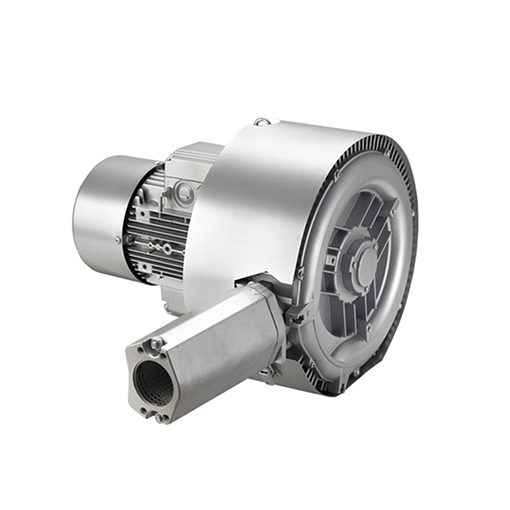
Ring blowers, also known as side channel blowers or regenerative blowers, are widely used in wastewater treatment, pneumatic conveying, vacuum holding, aquaculture aeration, packaging lines, and industrial drying systems. They are valued for stable airflow, oil-free operation, compact structure, and low maintenance requirements.
However, like any high-speed rotating equipment, a ring blower may experience vibration during operation. Some vibration is normal, but excessive or sudden vibration can indicate installation problems, airflow restriction, bearing wear, impeller imbalance, or incorrect operating conditions.
This Q&A guide explains the most common ring blower vibration issues, how to diagnose them, and what practical steps can reduce vibration for long-term stable operation.
What Is Considered Normal Vibration for a Ring Blower?
A ring blower uses a high-speed impeller to accelerate air inside the side channel. Because the impeller rotates at high speed, slight vibration during operation is normal.
Normal vibration usually has the following characteristics:
- The blower runs smoothly after startup
- The vibration level remains stable
- There is no abnormal metal noise
- The blower base does not shake heavily
- The operating temperature remains within a normal range
- The airflow and pressure are stable
If the vibration is light and consistent, it may not indicate a serious problem. However, if the vibration suddenly increases, becomes irregular, or is accompanied by noise or overheating, the blower should be checked as soon as possible.
What Are the Common Signs of Abnormal Ring Blower Vibration?

Abnormal vibration is usually easy to observe during operation. Common signs include:
- Strong shaking of the blower body
- Unusual noise from the motor or blower housing
- Loose mounting bolts
- Pipeline shaking
- Increased operating temperature
- Reduced airflow or unstable pressure
- Bearing noise or friction sound
- Vibration becoming worse after long operation
If these symptoms appear, the issue should not be ignored. Long-term vibration can damage bearings, loosen components, affect the impeller balance, and shorten the service life of the blower.
Why Does Improper Installation Cause Ring Blower Vibration?
Installation is one of the most common causes of ring blower vibration. If the blower is not installed on a flat and stable surface, the base may amplify vibration during operation.
Common installation problems include:
- Uneven mounting surface
- Loose foundation bolts
- Weak steel frame or thin mounting plate
- Blower installed without anti-vibration pads
- Poor alignment between blower ports and pipelines
A ring blower should be installed on a firm, level, and stable foundation. The mounting bolts should be tightened properly, and the blower should not be forced into position by the connected pipes.
Can Pipeline Stress Lead to Vibration?
Yes. Pipeline stress is a frequent reason for vibration in ring blower systems.
The inlet and outlet pipes should not pull, push, or twist the blower ports. If the pipe weight is supported directly by the blower, the casing may experience extra mechanical stress. This can cause vibration, noise, air leakage, and even damage to the blower connection.
To reduce pipeline stress:
- Use independent pipe supports
- Avoid forcing pipe alignment
- Install flexible connectors when necessary
- Keep the pipeline layout simple and smooth
- Avoid excessive elbows close to the blower inlet or outlet
A properly supported pipeline helps the blower run more smoothly and reduces vibration transmission.
How Does Impeller Imbalance Cause Vibration?
The impeller is one of the core rotating parts inside a ring blower. If the impeller becomes unbalanced, the blower may vibrate strongly during operation.
Impeller imbalance can be caused by:
- Dust accumulation
- Foreign objects entering the blower
- Corrosion or surface damage
- Wear caused by particles in the airflow
- Long-term operation under poor inlet filtration
Because the impeller rotates at high speed, even small imbalance can create obvious vibration. For this reason, an air filter is recommended on the inlet side, especially in dusty environments.
Can a Blocked Air Filter Cause Ring Blower Vibration?
Yes. A blocked air filter can restrict airflow and increase system resistance. When the blower cannot take in enough air smoothly, the operating load may become unstable.
A dirty or blocked filter may cause:
- Higher operating temperature
- Reduced airflow
- Increased motor current
- Unstable pressure
- Louder operating noise
- Additional vibration
The air filter should be checked and cleaned regularly. In applications with heavy dust, powder, wood chips, or particles, the filter maintenance frequency should be increased.
How Do Bearings Affect Ring Blower Vibration?
Bearing wear is another important cause of vibration. Bearings support the high-speed rotating shaft. Once the bearing becomes worn, damaged, or overheated, the blower may produce abnormal vibration and noise.
Typical signs of bearing problems include:
- Sharp or continuous mechanical noise
- Vibration increasing over time
- Higher motor or housing temperature
- Rough running sound
- Unstable rotation after startup
If bearing damage is suspected, the blower should be stopped for inspection. Continuing operation with damaged bearings may lead to more serious mechanical failure.
Can Incorrect Operating Pressure Cause Vibration?
Yes. A ring blower should operate within its designed pressure and airflow range. If the system pressure is too high, the blower may run under overload conditions.
Overpressure may be caused by:
- Blocked pipeline
- Closed valve
- Undersized pipe diameter
- Excessive pipe length
- Clogged diffuser or air nozzle
- Incorrect blower selection
Long-term overpressure operation can result in high temperature, increased noise, motor overload, and vibration. In many systems, a relief valve is recommended to protect the blower from excessive pressure.
How Can You Diagnose Ring Blower Vibration Problems?
When a ring blower vibrates abnormally, the inspection should start from the simplest external factors before checking internal parts.
Step 1: Check the Installation Base
Confirm whether the blower is installed on a stable and level surface. Tighten the mounting bolts and check whether the base structure is strong enough.
Step 2: Inspect the Pipeline
Check whether the inlet and outlet pipes are properly supported. Make sure the blower is not carrying the weight of the pipeline.
Step 3: Check the Air Filter
Inspect the inlet filter. If it is dirty or blocked, clean or replace it.
Step 4: Observe Pressure and Current
Use a pressure gauge and current data to determine whether the blower is running within a normal working range.
Step 5: Listen for Bearing Noise
If the vibration is accompanied by abnormal mechanical noise, the bearings may need inspection.
Step 6: Check for Foreign Objects
If the blower suddenly vibrates strongly, stop the machine and check whether foreign objects have entered the blower.
How Can Ring Blower Vibration Be Reduced?
Vibration control should focus on installation, airflow, pipeline design, and system protection.
Practical solutions include:
- Install the blower on a flat and solid base
- Tighten all mounting bolts
- Use anti-vibration pads or rubber mounts
- Add flexible connectors to the inlet and outlet
- Support pipelines independently
- Clean or replace blocked filters
- Avoid long-term overpressure operation
- Install a relief valve when needed
- Keep the inlet air clean
- Select the correct blower model for the working point
These measures can significantly improve operating stability and reduce mechanical stress on the blower.
When Should You Stop the Ring Blower Immediately?
The blower should be stopped immediately if any of the following situations occur:
- Vibration suddenly becomes severe
- Metal rubbing noise appears
- The blower casing becomes abnormally hot
- Motor current rises sharply
- Burning smell or smoke appears
- Airflow drops suddenly
- The impeller may be touching the casing
In these cases, continuing operation may damage the blower. A full inspection should be carried out before restarting.
How Can Vibration Problems Be Prevented?
Preventing vibration is better than repairing damage after failure. Regular inspection and correct operation can help extend the service life of a ring blower.
Key preventive measures include:
- Choose the correct blower according to airflow and pressure requirements
- Keep the inlet air clean with a suitable filter
- Avoid operating beyond the rated pressure range
- Check bolts, pipes, and connectors regularly
- Use proper accessories such as filters, silencers, flexible connectors, and relief valves
- Monitor changes in noise, temperature, pressure, and current
For applications that require continuous operation, preventive maintenance is especially important.
Conclusion: Ring Blower Vibration Is Usually Solvable
Ring blower vibration issues are commonly related to installation, pipeline stress, airflow blockage, impeller imbalance, bearing wear, or incorrect operating pressure. In most cases, vibration can be reduced by improving the mounting base, supporting the pipeline, cleaning the filter, using flexible connectors, and keeping the blower within its proper working range.
A stable ring blower system does not depend only on the blower itself. Correct installation, proper selection, clean airflow, and regular inspection all play an important role in long-term reliable operation.