

 Pumps
PumpsSide Channel Blower Application in Aeration: Stable Airflow for Water Treatment


Aeration is widely used in wastewater treatment, aquaculture, sewage treatment, and industrial water systems. Its main purpose is to introduce air into water, increase dissolved oxygen, improve water circulation, and support biological treatment.
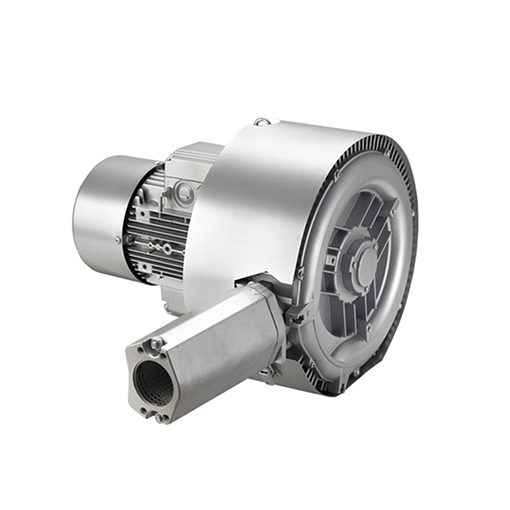
A side channel blower, also known as a ring blower or regenerative blower, is commonly used in aeration systems because it provides stable airflow, oil-free operation, compact installation, and relatively low maintenance.
This article explains how side channel blowers work in aeration, their main applications, advantages, and the key factors to consider when selecting a suitable model.
What Is a Side Channel Blower?
A side channel blower is an air-moving device that generates continuous airflow at low-to-medium pressure.
Inside the blower, a high-speed rotating impeller accelerates the air through a specially designed side channel. The air repeatedly circulates between the impeller blades and the channel, gradually increasing in pressure before leaving the outlet.
Side channel blowers can operate in two ways:
- Positive pressure for blowing and aeration
- Negative pressure for vacuum and suction
In aeration systems, the blower normally operates in positive-pressure mode. It pushes air through pipes to diffusers installed at the bottom of a tank, pond, or treatment basin.
How a Side Channel Blower Works in Aeration

A typical aeration system includes a blower, air pipeline, valves, and underwater diffusers.
The blower draws in ambient air and compresses it through the rotating impeller. The pressurized air then travels through the pipeline to the diffusers.
The diffusers release the air into the water as bubbles. These bubbles increase the contact area between air and water, allowing oxygen to dissolve into the liquid.
Effective aeration helps:
- Increase dissolved oxygen
- Support aerobic microorganisms
- Improve biological treatment
- Reduce unpleasant odors
- Promote water circulation
- Prevent sludge from settling
- Improve fish and shrimp survival
The blower must provide enough airflow and pressure to overcome water depth, diffuser resistance, and pipeline pressure loss.
Main Applications of Side Channel Blowers in Aeration
Wastewater Treatment Aeration
Wastewater treatment is one of the most common applications for side channel blowers.
In biological treatment systems, microorganisms break down organic pollutants. These microorganisms require a continuous oxygen supply to remain active.
Side channel blowers can supply air to:
- Activated sludge tanks
- Equalization tanks
- Aerobic treatment tanks
- Sequencing batch reactors
- Membrane bioreactors
- Compact sewage treatment systems
Stable airflow helps maintain suitable dissolved oxygen levels and improves treatment consistency.
Side channel blowers are particularly suitable for small and medium wastewater treatment systems with moderate water depth and predictable airflow requirements.
Sewage Treatment Systems
Domestic sewage contains organic matter, suspended solids, detergents, and other contaminants. Aeration supports the biological decomposition of these pollutants.
Side channel blowers can be used for:
- Biological oxidation
- Tank mixing
- Sludge circulation
- Odor reduction
- Air-lift systems
Their compact structure also makes them suitable for packaged sewage treatment equipment and installations with limited space.
Aquaculture Aeration
Fish, shrimp, and other aquatic organisms require sufficient dissolved oxygen to survive and grow.
Low oxygen levels can cause stress, slow growth, disease, and high mortality. A side channel blower continuously supplies air to diffuser tubes, diffuser discs, or aeration hoses.
Common aquaculture applications include:
- Fish ponds
- Shrimp farms
- Hatcheries
- Biofloc systems
- Indoor breeding tanks
- Recirculating aquaculture systems
Besides increasing oxygen levels, aeration improves water movement and helps reduce low-oxygen areas in ponds and tanks.
Biofloc Aeration
Biofloc systems require strong and continuous aeration.
The airflow keeps microbial flocs suspended while providing oxygen to fish, shrimp, and beneficial microorganisms. Stable blower operation is therefore important for maintaining the biological balance of the system.
Industrial Wastewater Aeration
Industrial wastewater may contain oils, food residues, chemicals, fibers, or other production-related pollutants.
Side channel blowers can support aeration systems in industries such as:
- Food and beverage processing
- Textile manufacturing
- Paper production
- Electronics manufacturing
- Metal processing
- Pharmaceutical production
- Chemical processing
The required blower capacity depends on the tank size, wastewater composition, treatment process, water depth, and oxygen demand.
Pond and Small Lake Aeration
Side channel blowers can also be used in small ponds, decorative lakes, and water circulation systems.
Aeration helps improve oxygen distribution, reduce stagnant areas, and support a healthier aquatic environment. It can also reduce odors caused by anaerobic decomposition.
For very large or deep lakes, higher-pressure or higher-airflow blower technologies may be required.
Advantages of Side Channel Blowers for Aeration
Oil-Free Airflow
Side channel blowers do not use oil inside the compression chamber. The discharged air is therefore oil-free under normal operating conditions.
This is especially important in:
- Aquaculture
- Food-related water treatment
- Biological treatment systems
- Clean industrial applications
Stable Air Supply
Aeration systems often require continuous and consistent airflow.
A properly selected side channel blower can provide stable air delivery for extended operating periods, helping maintain dissolved oxygen and water circulation.
Compact Structure
Side channel blowers are relatively compact and easy to integrate into:
- Small equipment rooms
- Packaged treatment systems
- Mobile aeration units
- Aquaculture installations
- Industrial machinery
Low Vibration and Smooth Airflow
The rotating impeller produces smooth, non-pulsating airflow. This makes side channel blowers suitable for systems that require stable air distribution.
Flexible Model Selection
Side channel blowers are available in different:
- Motor powers
- Airflow ranges
- Pressure levels
- Voltages
- Frequencies
- Single-stage and double-stage configurations
Single-stage blowers are commonly used for moderate pressure requirements. Double-stage blowers can provide higher pressure for deeper water or systems with greater resistance.
How to Select a Side Channel Blower for Aeration

Selecting a blower only according to motor power is not enough. The blower must provide the required airflow at the actual system pressure.
Required Airflow
The required airflow depends on several factors:
- Tank volume
- Oxygen demand
- Number of diffusers
- Wastewater treatment load
- Aquaculture stocking density
- Required mixing intensity
- Type of biological process
Airflow is commonly measured in cubic meters per hour or cubic meters per minute.
The blower performance curve should be checked to confirm that the selected model can provide the required airflow under actual operating pressure.
Water Depth
Water depth directly affects the pressure required from the blower.
As a general estimate, every meter of water depth creates approximately 100 mbar of static pressure.
For example, a three-meter-deep tank creates about 300 mbar of water pressure before diffuser resistance and pipeline losses are added.
Therefore, the blower must produce enough pressure to overcome:
- Water depth
- Diffuser resistance
- Pipeline resistance
- Valve and fitting losses
Diffuser Resistance
Different diffuser types create different pressure losses.
Fine-bubble diffusers produce smaller bubbles and normally offer higher oxygen-transfer efficiency. However, they often require more pressure than coarse-bubble diffusers.
The diffuser pressure loss at the planned airflow rate should be included when selecting the blower.
Pipeline Pressure Loss
Long pipes, small pipe diameters, elbows, valves, tees, and reducers can increase system resistance.
A well-designed pipeline should:
- Use a suitable pipe diameter
- Avoid unnecessary bends
- Reduce air leakage
- Distribute air evenly
- Minimize pressure loss
Ignoring pipeline resistance may result in insufficient airflow at the diffusers.
Voltage and Frequency
The blower motor must match the available electrical supply.
Common factors include:
- Single-phase or three-phase power
- Rated voltage
- Frequency
- Motor efficiency
- Variable-frequency drive requirements
Using the wrong voltage or frequency may reduce performance or damage the motor.
Side Channel Blower vs. Other Aeration Blowers
Side channel blowers are commonly used in small and medium aeration systems, but they are not suitable for every application.
They are generally a good option for:
- Moderate water depths
- Small and medium airflow requirements
- Compact installations
- Clean and oil-free air delivery
- Aquaculture tanks and ponds
- Packaged wastewater treatment equipment
Roots blowers are often used for deeper tanks and higher-pressure applications. Turbo blowers are more common in large wastewater treatment plants with very high airflow demand.
The most suitable blower technology depends on:
- Required airflow
- Operating pressure
- Water depth
- Operating hours
- Energy efficiency
- System size
- Initial and long-term cost
Conclusion
Side channel blowers provide a reliable aeration solution for wastewater treatment, sewage treatment, aquaculture, industrial water systems, and small ponds.
Their oil-free airflow, compact design, stable operation, and flexible model range make them especially suitable for small and medium aeration projects.
To select the correct blower, the required airflow, water depth, diffuser resistance, pipeline pressure loss, voltage, and frequency should all be confirmed.
A properly selected side channel blower can improve dissolved oxygen levels, support biological treatment, promote water circulation, and provide stable aeration performance.