

 Pumps
PumpsProven Tips for Ring Blower Noise Reduction

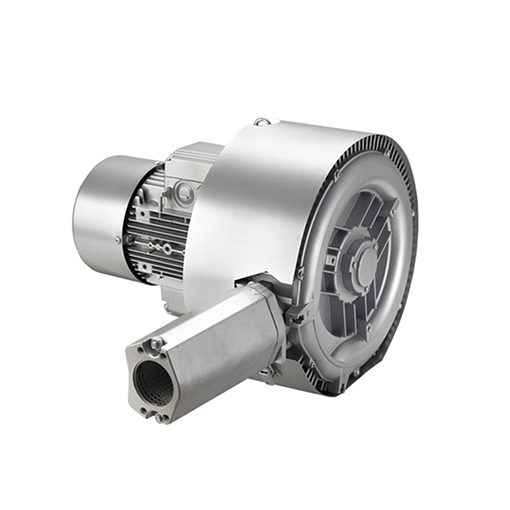
Industrial environments often rely on ring blowers for consistent airflow and vacuum generation, but noise is one of the most common complaints from operators and facility managers. Excessive noise not only affects workplace comfort but can also lead to regulatory issues, reduced productivity, and long-term hearing risks.
Fortunately, noise from ring blowers is not an unsolvable problem. With the right combination of engineering controls—such as mufflers, soundproof enclosures, and anti-vibration solutions—you can significantly reduce noise levels without compromising performance.
This guide walks through practical, field-proven methods to control and minimize ring blower noise effectively.
Understanding Where Ring Blower Noise Comes From
Before applying solutions, it’s important to understand the root causes of noise in a ring blower system. Noise is typically generated from three main sources:
Aerodynamic Noise
This is produced by high-speed airflow within the blower. As air is compressed and discharged, turbulence creates a high-frequency sound.
Mechanical Noise
Mechanical components such as bearings, impellers, and motors contribute to vibration and tonal noise, especially as equipment ages.
Structural Vibration
Vibrations from the blower can transfer to the mounting surface or connected pipelines, amplifying noise through resonance.
Identifying which of these dominates in your setup helps determine the most effective noise reduction strategy.
Using Mufflers to Reduce Airflow Noise
One of the simplest and most cost-effective solutions is installing a muffler at the inlet or outlet of the blower.
How Mufflers Work
Mufflers are designed to:
- Absorb sound waves generated by airflow
- Reduce high-frequency noise
- Minimize turbulence at discharge points
They typically use sound-absorbing materials or expansion chambers to dampen noise before it escapes into the environment.
Best Practices for Muffler Installation
- Install on both inlet and outlet for maximum effectiveness
- Ensure proper sizing to avoid airflow restriction
- Use corrosion-resistant materials for long-term durability
- Regularly inspect for clogging or contamination
Expected Results
A well-selected muffler can reduce noise levels by:
- 5–15 dB on average
- More significant reduction for high-frequency noise components
Installing Soundproof Enclosures (Acoustic Cabinets)
For environments where noise reduction requirements are strict, a soundproof enclosure is one of the most effective solutions.
What Is a Soundproof Enclosure?
A soundproof enclosure is a housing structure built around the blower using:
- Acoustic panels
- Sound-absorbing foam
- Insulated steel or composite materials
Key Design Considerations
- Ventilation: Prevent overheating by incorporating airflow channels or cooling fans
- Access Panels: Allow easy maintenance without dismantling the enclosure
- Material Selection: Use high-density materials for better sound absorption
- Sealing: Minimize gaps to prevent sound leakage
Benefits of Acoustic Enclosures
- Noise reduction of 15–30 dB or more
- Effective across a wide frequency range
- Improves overall working environment
Common Mistakes to Avoid
- Poor ventilation leading to overheating
- Undersized enclosures restricting airflow
- Ignoring maintenance accessibility
Reducing Vibration with Anti-Vibration Mounting Systems
Noise is often amplified through vibration transfer to floors, frames, or connected equipment. This is where anti-vibration solutions play a critical role.
What Is an Anti-Vibration Base?
An anti-vibration base or mounting system isolates the blower from its foundation using:
- Rubber pads
- Spring isolators
- Composite damping materials
How It Works
- Absorbs mechanical vibrations
- Prevents structure-borne noise
- Reduces resonance amplification
Installation Tips
- Ensure even load distribution
- Match isolator type to blower weight and speed
- Avoid rigid connections that bypass isolation
Performance Impact
Anti-vibration systems can:
- Reduce low-frequency noise significantly
- Extend equipment lifespan by minimizing mechanical stress
- Improve overall system stability
Optimizing Installation Environment
Even the best equipment can become noisy if installed improperly. Environmental factors often play a larger role than expected.
Placement Matters
- Avoid installing blowers directly on thin metal platforms
- Use solid concrete foundations when possible
- Keep distance from reflective surfaces like walls
Pipeline Design
Poor piping design can amplify noise through resonance.
- Use flexible connectors between blower and pipes
- Avoid sharp bends that create turbulence
- Secure pipelines to prevent rattling
Room Acoustics
- Add sound-absorbing materials to walls or ceilings
- Avoid enclosed spaces that trap and reflect noise
- Consider acoustic panels for industrial rooms
Combining Multiple Noise Reduction Methods
Relying on a single solution often delivers limited results. The most effective approach is combining multiple strategies.
Recommended Combination Setup
- Muffler + Anti-vibration base for basic noise control
- Muffler + Enclosure for high-performance reduction
- Full solution: Muffler + Enclosure + Anti-vibration system
Why Combination Works Best
Each method targets a different noise source:
- Mufflers → airflow noise
- Enclosures → airborne noise
- Anti-vibration → structural noise
Together, they provide comprehensive noise control.
Maintenance: The Overlooked Factor in Noise Control
Noise levels often increase over time due to poor maintenance.
Key Maintenance Practices
- Regularly inspect bearings and replace when worn
- Clean filters and mufflers to prevent airflow restriction
- Check for loose bolts or components
- Lubricate moving parts as required
Warning Signs of Noise Problems
- Sudden increase in noise level
- Unusual vibration or rattling
- High-pitched or grinding sounds
Ignoring these signs can lead to equipment failure and higher repair costs.
Cost vs. Benefit: Choosing the Right Solution
Different noise reduction methods come with varying costs and effectiveness.
| Solution | Cost Level | Noise Reduction | Best Use Case |
|---|---|---|---|
| Muffler | Low | Moderate | General applications |
| Anti-vibration base | Low–Medium | Moderate | Structural noise issues |
| Soundproof enclosure | Medium–High | High | Strict noise requirements |
Decision Strategy
- Start with mufflers for quick improvement
- Add anti-vibration if structural noise persists
- Invest in enclosures for maximum reduction
Final Thoughts
Reducing ring blower noise is not about a single fix—it’s about understanding the system and applying targeted solutions. Mufflers help manage airflow noise, soundproof enclosures contain airborne sound, and anti-vibration bases eliminate structural transmission.
When these methods are properly implemented and combined, noise reduction becomes both achievable and sustainable. The result is not just a quieter environment, but also improved equipment performance, longer lifespan, and better compliance with workplace standards.
If noise is currently limiting your operation, taking a systematic approach to these solutions will deliver measurable and lasting improvements.